
ADAS Calibration in Twin Cities
Lucken Auto Glass offers professional ADAS calibration in Twin Cities. Our trained technicians can perform ADAS diagnostics with advanced equipment. This helps recalibrate a vehicle’s critical safety systems.
Proper ADAS calibration helps affected cameras, radar units, and sensors operate according to the vehicle manufacturer’s specifications. Therefore, it’s crucial to perform the ADAS calibration in line with the manufacturer’s specifications. To get your vehicle calibrated, look no further than Lucken Auto Glass.
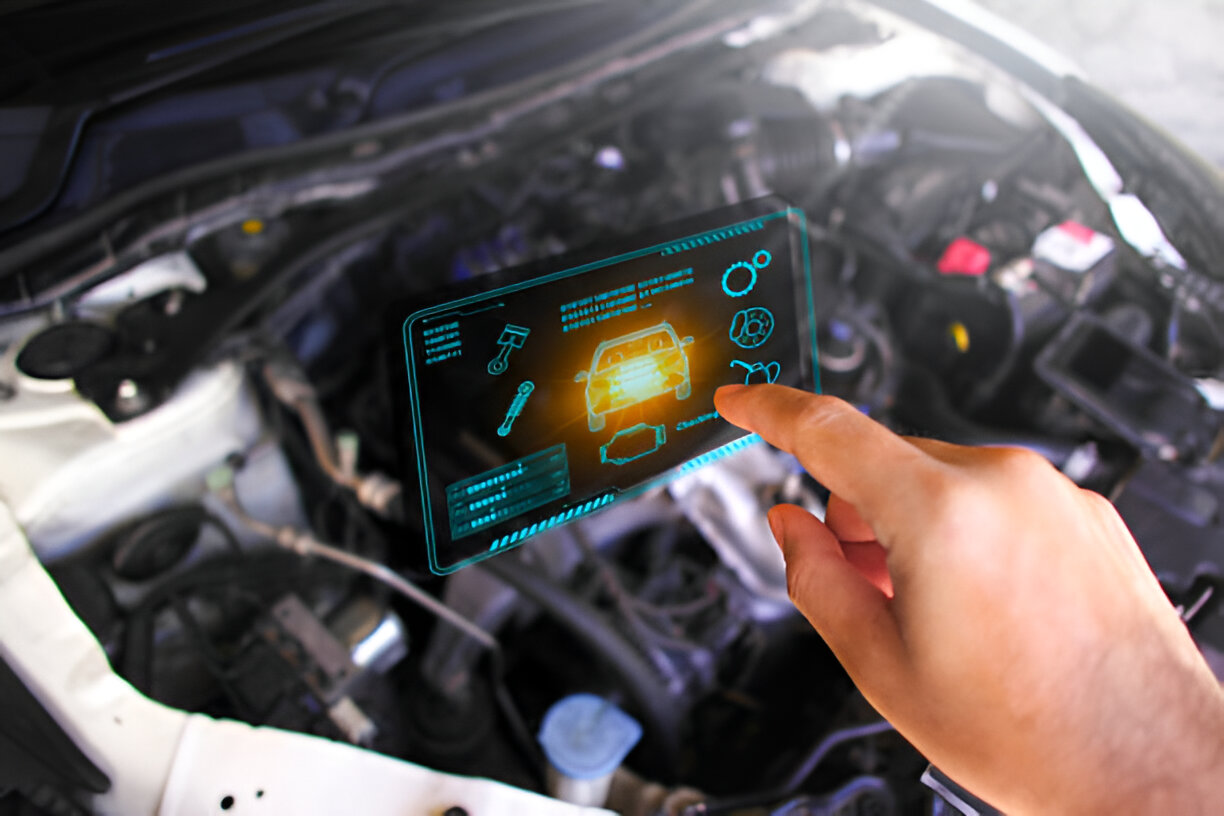
What is ADAS Calibration?
Modern cars and SUVs depend on a variety of advanced sensors to make them exceptionally safe to drive. This safety mechanism is referred to as Advanced Driver Assistance Systems (ADAS). It includes features such as lane assist, emergency braking, automatic parking, blind-spot detection, and collision warning.
To work seamlessly, ADAS uses different types of equipment, including cameras and sensors, which work in close collaboration with each other. This requires the affected cameras, radar units, and sensors to be properly calibrated according to vehicle-specific procedures.
When calibration is disturbed, recalibration may be required. This is where ADAS system calibration comes into play. For broader calibration needs involving vehicle cameras, sensors, or other systems, see our vehicle calibration services.
Below are the ADAS mechanisms that may require calibration:
Forward-Facing Cameras
The forward-facing camera is referred to as the eyes of a vehicle’s ADAS ecosystem. Generally, it is mounted on the windshield close to the rearview mirror. This camera detects lane markings, reads traffic signs, and identifies other vehicles or pedestrians.
Radar and Ultrasonic Sensors
Radar sensors rely on radio waves to measure the relative speed and distance of the objects ahead. This mechanism is critical for ADAS features like automatic emergency braking and adaptive cruise control.
Besides, ultrasonic sensors are used for parking assistance. They monitor close-range objects to prevent collisions.
Lane-Assistance Systems
Features like lane-departure warning and lane-keeping assist systems depend on the data provided by the camera. When calibration is required, proper camera and related-system calibration helps the lane-assistance system operate according to manufacturer specifications.
Incorrect camera positioning or calibration may affect how lane-departure warning or lane-keeping systems interpret lane markings and the vehicle’s position on the road. Such issues can be prevented through lane departure calibration.
Collision Warning and Automatic Emergency Braking
Automatic emergency braking and forward-collision warning systems work in close collaboration. The system works by relying on sensor-fusion algorithms that combine the data obtained from radar and camera. It takes milliseconds to assess the “Time to Collision.” Depending on the vehicle, the camera, radar, or other sensors involved may require calibration according to the manufacturer’s procedures.
Adaptive Cruise Control
Adaptive cruise control is different from traditional cruise control. It automatically maintains a preset distance from the vehicle ahead. The radar sensor should be angled perfectly to monitor the traffic ahead. A misaligned radar can affect how the system detects and tracks vehicles. This could affect the overall performance of your vehicle’s adaptive cruise control.
Blind-Spot Detection
Many blind-spot monitoring systems use radar sensors positioned toward the rear or sides of the vehicle. Incorrect sensor positioning or calibration can affect how the system detects and tracks vehicles in adjacent areas. This might reduce the driver’s trust in the system.
Types of ADAS Calibration
Static calibration and Dynamic calibration are two major types of ADAS calibration. Each comes with its specialized equipment requirements, protocols, and procedural distinctions. In addition, calibration is also done at the component level, including radar units, cameras, and ultrasonic sensors.
Static ADAS Calibration
Also known as stationary calibration, ADAS static calibration is performed in a controlled environment (usually a workshop), where external variables such as lighting, weather, and traffic are eliminated. The fundamental concept is to keep the vehicle still while specialized targets are placed at precise angles and distances in front of the vehicle.
These targets serve as radio-frequency or visual references. The static calibration of ADAS demands specialized equipment, such as manufacturer-specified targets and measurement equipment. It provides known reference points for establishing the required camera/sensor alignment.
Dynamic ADAS Calibration
ADAS dynamic calibration requires a vehicle to be driven under certain prescribed conditions. Dynamic calibration is performed while driving under manufacturer-specified conditions, with diagnostic equipment and vehicle systems used to complete or verify the calibration procedure.
When performing dynamic ADAS calibration, the technician connects the diagnostic scan tool to the vehicle’s ECU and initiates the calibration sequence. The vehicle is driven for a set duration and at a consistent speed.
This allows the ADAS sensors to actively collect data regarding road curvature, lane markings, and surrounding objects. After obtaining data via dynamic calibration of ADAS, it is compared with preset factory algorithms.
Camera Calibration
ADAS cameras contain optical sensors, which rely on a clear image to interpret lane boundaries, road signs, and obstacles. For static camera calibration, technicians may use manufacturer-specified targets positioned at precise locations relative to the vehicle.
This allows the camera to lock onto particular reference points. For camera calibration, the windshield and camera area should be clean and free of obstructions that could interfere with the procedure.
Radar and Sensor Calibration
Car radar calibration differs from optical methods. This is because the radar measures distance and speed. The sensors detect surrounding objects. On the other hand, car sensor calibration is done using absorbers or metal corner reflectors placed at exact angles.
These types of calibration procedures establish proper positioning and alignment. The process may vary based on the vehicle type and installed system. For required accuracy, technicians rely on manufacturer-recommended procedures and diagnostic equipment.
ADAS Calibration Features/Systems
The ADAS calibration procedure involves various interconnected safety systems. Each of these systems relies on precise sensor alignment for its accuracy. Adaptive cruise control and lane-departure/lane-keeping systems are among the ADAS features that may require calibration following certain repairs or when specified by the manufacturer.
Lane Departure and Lane Keeping Systems
Both lane-keeping assist and lane departure warning systems are camera-dependent. Car camera calibration ensures that the camera perspective is level with the road surface and is centered, too. Auto glass camera calibration involves resetting the camera’s yaw, pitch, and roll angles to factory specifications.
Adaptive Cruise Control
This ADAS system is considerably more complex and relies on radar, camera, or both. This could slightly increase the adaptive cruise control alignment cost. The calibration of a radar-based system involves perfect alignment of the radar beam both horizontally and vertically. It helps the sensors to track the target vehicle accurately.
Besides, the camera-based systems depend on visual recognition of the vehicle ahead. These systems can also adjust speed limits based on traffic sign recognition. When using both these systems, the technician must synchronize the camera’s object identification with the radar’s distance measurements.
ADAS Wheel Alignment
Proper vehicle geometry can be important to certain ADAS calibration procedures. Depending on the vehicle and manufacturer’s requirements, wheel alignment may need to be verified before calibration so that the vehicle has the appropriate mechanical baseline for the calibration process. This does not mean every wheel alignment requires ADAS calibration.
ADAS Calibration Center
Calibration facilities such as Lucken Auto Glass are equipped with the necessary optical measurement systems and diagnostic equipment. Key features of our ADAS calibration center include:
ADAS Calibration: Experienced technicians perform ADAS calibration procedures to ensure precise alignment of components like cameras, lidar, and radar.
Static/Dynamic Calibration: Capable of offering both static and dynamic calibration methods while meeting manufacturer-specific requirements.
Diagnostic Capabilities: Skilled in using OEM and aftermarket diagnostic equipment to perform system resets, read fault codes, and verify the success of the calibration process.
Manufacturer-Specific Procedures: Technicians strictly follow manufacturer-specific calibration protocols.
Twin Cities Service Area: We offer professional ADAS calibration services across Minneapolis, St. Paul, Woodbury, and nearby areas.
Appointment/Contact Process: Booking an appointment is easy. Contact our team via phone or email. To get a quote, fill out the form. We’ll contact you within 24 hours.
ADAS Calibration Cost
Various key factors affect the overall ADAS calibration cost, and some of these are listed below:
Vehicle Make and Model
Luxury and technologically advanced vehicles may have higher calibration costs because some procedures require specialized targets, diagnostic software, equipment, or additional labor. In some cases, manufacturers demand a specialized ADAS calibration center. Conversely, regular vehicles require less expensive and accessible calibration protocols.
Calibration Type
Static calibration requires a controlled workshop space, specialized equipment, and target stands. Cost aside, static calibration is unaffected by road or weather conditions. This ensures maximum precision and accurate performance.
Camera vs Radar vs Multiple Systems
Costs differ depending on the components, systems, and procedures involved. Besides, vehicles with multiple sensors or those requiring both radar and camera synchronization cost more due to complexity and extended labor.
Diagnostics Requirement
ADAS calibration might require diagnostic scanning to verify system readiness or identify fault codes. This adds to the basic service cost but makes sure the calibration process is performed according to the manufacturer’s specifications.
Mobile ADAS Calibration
Lucken Auto Glass does not currently offer mobile ADAS calibration. ADAS calibration is performed at our facility because the required procedure may involve controlled conditions, vehicle-specific targets, measurement equipment, and diagnostic verification.
Critical Relationship between ADAS and Windshield
The windshield is not only a protective barrier but also a mounting point for ADAS cameras. Therefore, it’s vital to understand the relationship between ADAS and the windshield.
Camera Position and Dependence
Many vehicles use a forward-facing ADAS camera mounted near or behind the windshield. Because the camera’s position and field of view are important to system operation, windshield replacement may affect the need for windshield calibration.
The optical axis of the camera should be perfectly aligned with the forward trajectory of a vehicle. Even a slight deviation can compromise system accuracy by changing the camera’s field of view.
Why Windshield Replacement May Require ADAS Calibration
Below are a few factors that can disrupt camera alignment after a windshield replacement:
- Bracket reseating
- Adhesive settling
- Camera mount angle
- Glass optical properties
- Sensor interference
Why Proper Calibration Matters After Windshield Replacement
Listed below are the outcomes if ADAS windshield calibration is skipped:
- Lane-keeping assist might malfunction, causing the vehicle to auto-correct steering when it’s not necessary.
- Forward-collision warnings might issue false alerts.
- Adaptive cruise control could fail to calculate the distance accurately.
- Other ADAS features may fail to perform.
Why is ADAS Calibration So Important?
To calibrate ADAS system, it’s critical to understand why this system is so important. ADAS relies on correctly positioned and calibrated cameras, radar, and sensors. After a collision, windshield damage, or repair/replacement of ADAS components, your vehicle may require ADAS calibration.
This procedure allows the affected systems to operate according to manufacturer specifications. If done properly, ADAS calibration improves the performance of almost every safety feature installed in a car.
Here are the key steps involved in an ADAS recalibration system:
- ADAS camera calibration
- ADAS radar calibration
- ADAS sensor calibration
Even if one of the components associated with ADAS is damaged or removed, the system fails to work efficiently. In this situation, driving a vehicle could be a safety risk for both the passengers and the people on the road. This demands visiting the best car ADAS calibration center like Lucken Auto Glass.
We Know How to Do ADAS Calibration
Here’s why you should choose us for vehicle calibration ADAS in Twin Cities:
ADAS Calibration Experience: Hands-on experience performing ADAS calibrations using manufacturer-approved procedures and diagnostic tools.
Camera, Radar, and Sensor Calibration: Calibration of ADAS cameras, sensors, and radar using OEM-approved targets and diagnostic tools.
Manufacturer-Specific Procedures: Our team uses manufacturer-specific calibration equipment to calibrate the ADAS system. We know how to do ADAS calibration in Twin Cities.
Lifetime Warranty: When it comes to ADAS system calibration, Lucken Auto Glass can’t be overlooked. We offer a lifetime warranty on all our services, including ADAS calibration.
Get Professional ADAS Diagnostics and Calibration Services
Lucken Auto Glass is your local ADAS calibration shop in Twin Cities. We trust the expertise of our qualified technicians. Besides, our facility is equipped with the specialized equipment required for ADAS calibration.
ADAS calibration is a crucial step for the proper functioning of your vehicle’s safety system. Contact Lucken Auto Glass to discuss your vehicle’s ADAS calibration requirements with our advanced ADAS calibration system and schedule an appointment.